
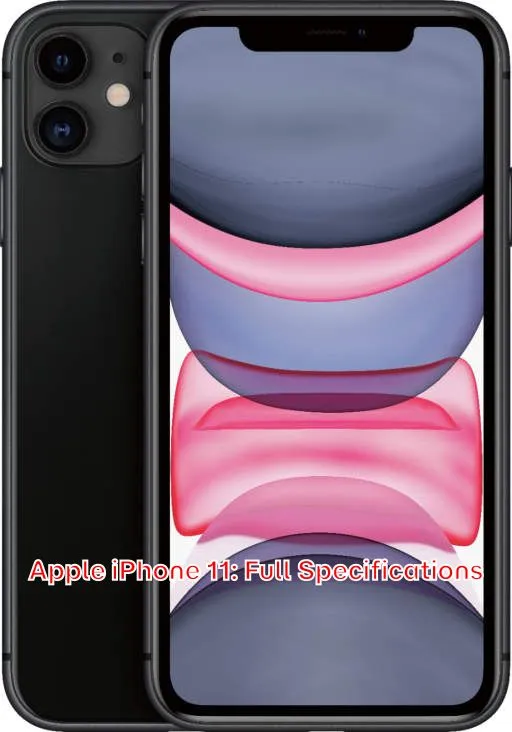
The Apple iPhone 11, released in 2019, remains a popular choice for consumers seeking a reliable and powerful smartphone. This comprehensive article delves into the full specifications of the iPhone 11, providing a detailed overview of its features, capabilities, and performance. Whether you’re considering purchasing this device or simply want to learn more about its technical aspects, this guide offers valuable insights into everything the iPhone 11 has to offer.
Prepare to explore the intricacies of the iPhone 11‘s specifications, including its A13 Bionic chip, stunning display, advanced camera system, and battery life. We will examine each component in detail, highlighting the key attributes that contribute to the overall user experience. Discover why the Apple iPhone 11 continues to be a relevant and competitive option in the ever-evolving smartphone market, even years after its initial release. This is your complete resource for understanding the iPhone 11’s full specifications.
Full Specifications
Network
| Technology: | GSM / CDMA / HSPA / EVDO / LTE |
| 2G bands: | GSM 850 / 900 / 1800 / 1900 |
| CDMA 800 / 1900 | |
| 3G bands: | HSDPA 850 / 900 / 1700(AWS) / 1900 / 2100 |
| CDMA2000 1xEV-DO | |
| 4G bands: | 1, 2, 3, 4, 5, 7, 8, 11, 12, 13, 17, 18, 19, 20, 21, 25, 26, 28, 29, 30, 32, 34, 38, 39, 40, 41, 42, 46, 48, 66 – A2221 |
| 1, 2, 3, 4, 5, 7, 8, 12, 13, 14, 17, 18, 19, 20, 25, 26, 29, 30, 34, 38, 39, 40, 41, 42, 46, 48, 66, 71 – A2111, A2223 | |
| Speed: | HSPA 42.2/5.76 Mbps, LTE (CA) Cat16 1024/150 Mbps, EV-DO Rev.A 3.1 Mbps |
Launch
| Announced: | 2019, September 10 |
| Status: | Available. Released 2019, September 20 |
Body
| Dimensions: | 150.9 x 75.7 x 8.3 mm (5.94 x 2.98 x 0.33 in) |
| Weight: | 194 g (6.84 oz) |
| Build: | Glass front (Corning-made glass), glass back (Corning-made glass), aluminum frame (7000 series) |
| SIM: | Nano-SIM + eSIMNano-SIM + Nano-SIM (China) |
| IP68 dust tight and water resistant (immersible up to 2m for 30 min) Apple Pay (Visa, MasterCard, AMEX certified) |
Display
| Type: | Liquid Retina IPS LCD, 625 nits (typ) |
| Size: | 6.1 inches, 90.3 cm2 (~79.0% screen-to-body ratio) |
| Resolution: | 828 x 1792 pixels, 19.5:9 ratio (~326 ppi density) |
| Protection: | Scratch-resistant glass |
Platform
| OS: | iOS 13, upgradable to iOS 18.6 |
| Chipset: | Apple A13 Bionic (7 nm+) |
| CPU: | Hexa-core (2×2.65 GHz Lightning + 4×1.8 GHz Thunder) |
| GPU: | Apple GPU (4-core graphics) |
Memory
| Card slot: | No |
| Internal: | 64GB 4GB RAM, 128GB 4GB RAM, 256GB 4GB RAM |
| NVMe |
Main Camera
| Dual: | 12 MP, f/1.8, 26mm (wide), 1/2.55″, 1.4µm, dual pixel PDAF, OIS 12 MP, f/2.4, 120˚, 13mm (ultrawide), 1/3.6″ |
| Features: | Dual-LED dual-tone flash, HDR (photo/panorama) |
| Video: | 4K@24/25/30/60fps, 1080p@25/30/60/120/240fps, HDR, stereo sound rec. |
Selfie camera
| Single: | 12 MP, f/2.2, 23mm (wide), 1/3.6″, 1.0µm SL 3D, (depth/biometrics sensor) |
| Features: | HDR |
| Video: | 4K@24/25/30/60fps, 1080p@25/30/60/120fps, gyro-EIS |
Sound
| Loudspeaker: | Yes, with stereo speakers |
| 3.5mm jack: | No |
Comms
| WLAN: | Wi-Fi 802.11 a/b/g/n/ac/6, dual-band, hotspot |
| Bluetooth: | 5.0, A2DP, LE |
| Positioning: | GPS, GLONASS, GALILEO, QZSS |
| NFC: | Yes |
| Radio: | No |
| USB: | Lightning, USB 2.0 |
Features
| Sensors: | Face ID, accelerometer, gyro, proximity, compass, barometer |
| Ultra Wideband (UWB) support |
Battery
| Type: | Li-Ion 3110 mAh, non-removable (11.91 Wh) |
| Charging: | Wired, PD2.0, 50% in 30 min Wireless (Qi) |
Misc
| Colors: | Black, Green, Yellow, Purple, Red, White |
| Models: | A2221, A2111, A2223, iPhone12,1 |
| SAR: | 1.09 W/kg (head) 1.18 W/kg (body) |
| SAR EU: | 0.95 W/kg (head) 0.99 W/kg (body) |
| Price: | € 200.00 / $ 114.15 / £ 150.00 |
Our Tests
| Performance: | AnTuTu: 419453 (v7) GeekBench: 13882 (v4.4) GFXBench: 60fps (ES 3.1 onscreen) |
| Display: | 1505:1 contrast ratio, 644 nits max brightness (measured) |
| Camera: | Photo / Video |
| Loudspeaker: | Voice 70dB / Noise 72dB / Ring 76dB |
| Audio quality: | Noise -94.2dB / Crosstalk -80.8dB |
| Battery (old): | Endurance rating 94h |
Price of Apple iPhone 11
The Apple iPhone 11 remains a popular choice for users seeking a reliable and feature-rich smartphone. While pricing can vary based on storage capacity, condition (new or used), and retailer, here’s an estimated breakdown of the iPhone 11’s price in various currencies, based on a base price of €200.00 / $114.15 / £150.00. Please note that these are approximate conversions and real-world prices may differ.
- United States: $114.15
- Japan: ¥17,956.12
- United Kingdom: £150.00
- Australia: $174.20 AUD
- Canada: $155.67 CAD
- Taiwan: NT$3,687.88
- Denmark: kr. 1,491.74
- Saudi Arabia: 428.01 SAR
- South Korea: ₩155,693.20
- Germany: €200.00
- Brazil: R$595.54
- Vietnam: ₫2,892,070.00
- Kenya: KES 14,961.30
- India: ₹9,509.54
- Indonesia: Rp 1,855,600.00
- Nigeria: NGN 175,266.00
- Pakistan: PKR 31,764.50
- Philippines: ₱6,538.94
- Bangladesh: BDT 13,175.07
Is the iPhone 11 Still Worth Buying in 2024?
The iPhone 11, released in 2019, might seem like old news in the fast-paced world of smartphones. However, it remains a surprisingly relevant and compelling option for many users in 2024. Deciding whether it’s the right choice for you depends on your individual needs and budget. While newer iPhones boast advanced features, the iPhone 11 still holds its own in key areas.
One of the biggest factors is price. As newer models hit the market, the iPhone 11’s price has steadily decreased, making it an attractive option for budget-conscious buyers. You can often find it at a significantly lower price point than the latest iPhones, making it a great value proposition if you’re looking for a reliable and capable smartphone without breaking the bank.
Furthermore, Apple continues to provide software updates for the iPhone 11, ensuring access to the latest features and security patches. This continued support extends the lifespan of the device and keeps it secure against potential threats. You won’t be missing out on crucial software advancements, which is a significant advantage.
Why the iPhone 11 Remains a Solid Choice Today
Several factors contribute to the iPhone 11’s continued appeal. First and foremost, it offers a balance of performance and affordability. The A13 Bionic chip, while not the newest, is still powerful enough to handle most everyday tasks, including browsing the web, social media, and running demanding apps. You likely won’t experience significant slowdowns or lag.
Secondly, the camera system is surprisingly capable, even by today’s standards. It features a dual-lens setup with wide and ultrawide lenses, allowing you to capture a variety of shots. While it may not have all the bells and whistles of newer iPhones, it still produces high-quality images in good lighting conditions.
Finally, the iPhone 11’s design is classic and durable. The build quality is excellent, and the phone feels solid in hand. It also features water resistance, providing added protection against accidental spills or splashes.
iPhone 11 Camera: Does It Still Take Great Photos?
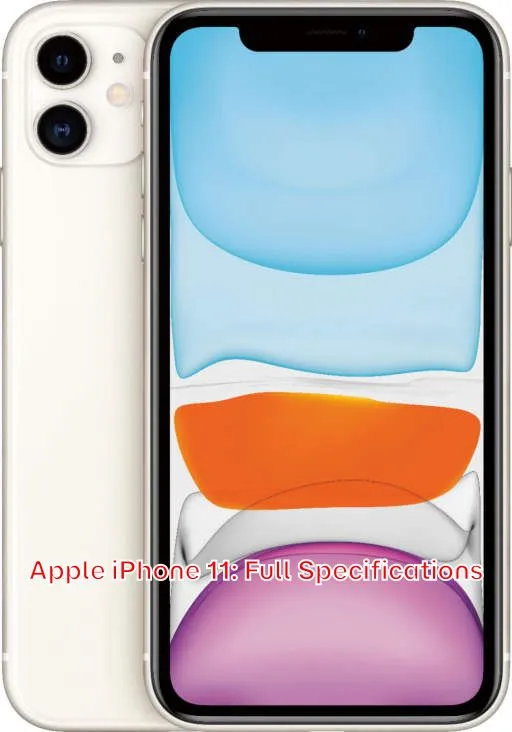
The iPhone 11’s camera is equipped with a dual 12MP lens system: a wide lens and an ultrawide lens. This setup allows for versatile photography, enabling users to capture landscapes, portraits, and close-up shots with ease. The wide lens is your standard shooter and performs exceptionally well in well-lit environments, producing sharp and vibrant images. The ultrawide lens adds a new dimension to your photography, allowing you to capture expansive scenes and creative perspectives.
One of the standout features of the iPhone 11’s camera is Night mode. This feature significantly improves low-light photography, allowing you to capture brighter and more detailed images in challenging lighting conditions. Night mode automatically activates when the camera detects a low-light environment, and it intelligently adjusts the exposure and sharpness to produce stunning results.
Understanding the iPhone 11’s Camera Capabilities for Modern Photography
While the iPhone 11 may not have the computational photography prowess of newer iPhones, it still offers a range of features that make it a capable photography tool. The Smart HDR feature enhances dynamic range, ensuring that both highlights and shadows are well-exposed in your photos. This is particularly useful when shooting in scenes with high contrast.
The iPhone 11 also supports 4K video recording at 60fps, allowing you to capture smooth and detailed videos. The video quality is excellent, and the phone’s image stabilization helps to keep your footage steady, even when you’re on the move. You can also use the ultrawide lens to capture more expansive video shots.
However, it’s important to note some limitations. The iPhone 11 lacks certain features found in newer models, such as a telephoto lens for optical zoom and advanced computational photography techniques. Therefore, if you’re a serious photographer who demands the best possible image quality and features, you might want to consider a newer iPhone. However, for everyday photography and social media sharing, the iPhone 11’s camera is more than capable.
iPhone 11: Battery Life Review – How Long Does It Really Last?
Battery life is a critical factor for any smartphone, and the iPhone 11 doesn’t disappoint. Apple claims that the iPhone 11 offers up to 17 hours of video playback and up to 65 hours of audio playback. In real-world usage, the battery life will vary depending on your usage patterns, but most users can expect to get a full day of use on a single charge. This is a significant improvement over previous iPhone models and makes the iPhone 11 a reliable companion for busy days.
Several factors contribute to the iPhone 11’s impressive battery life. The A13 Bionic chip is power-efficient, and Apple has optimized the software to minimize battery drain. Additionally, the iPhone 11 features a larger battery capacity compared to its predecessors. These combined factors result in excellent battery performance.
iPhone 11 Performance: Is It Fast Enough for Your Needs?
The iPhone 11 is powered by Apple’s A13 Bionic chip. While not the newest, this chip is still incredibly capable and provides excellent performance for most users. The A13 Bionic features a 6-core CPU and a 4-core GPU, allowing it to handle demanding tasks with ease. Whether you’re browsing the web, streaming videos, playing games, or running complex apps, the iPhone 11 delivers a smooth and responsive experience.
Compared to its predecessors, the A13 Bionic offers significant performance improvements. It’s faster and more power-efficient, resulting in better battery life and smoother performance. The chip is also optimized for machine learning tasks, enabling features like Siri and augmented reality to run more efficiently.
Real-World Performance Tests: Gaming, Apps, and Multitasking on the iPhone 11
In real-world performance tests, the iPhone 11 excels in a variety of scenarios. Gaming is a breeze, with the phone handling even the most graphically demanding titles without any noticeable lag or stutter. The A13 Bionic’s powerful GPU ensures smooth frame rates and detailed graphics. App loading times are also fast, and the phone can handle multiple apps running in the background without any slowdowns. Multitasking is seamless, allowing you to switch between apps quickly and easily.
To quantify the iPhone 11’s performance, consider benchmarking scores. While these scores are not the be-all and end-all, they provide a useful point of reference. In Geekbench 5, the iPhone 11 typically scores around 1300 in single-core performance and around 3200 in multi-core performance. These scores are still competitive with many mid-range Android phones in 2024, indicating that the iPhone 11 remains a capable performer.
iPhone 11: Durability and Design – How Well Does It Hold Up?
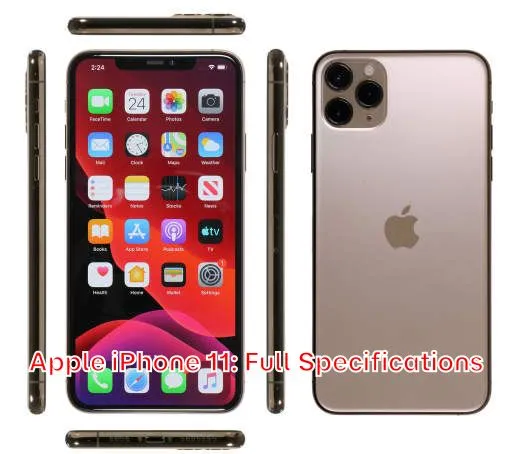
The iPhone 11 features a durable design with a glass front and back and an aluminum frame. The glass is made of strengthened glass by Corning, designed to be more resistant to scratches and cracks compared to previous iPhone models. While it’s not indestructible, it’s certainly more durable than some other smartphones on the market.
The design is relatively simple and classic. It features rounded edges and a notch at the top of the display for the front-facing camera and sensors. The phone is available in several colors, allowing you to choose one that suits your personal style. The dual-camera setup on the back is housed in a square bump, which is a signature design element of the iPhone 11.
The iPhone 11 is also water-resistant with an IP68 rating. This means it can withstand immersion in up to 2 meters of water for up to 30 minutes. While it’s not recommended to submerge the phone intentionally, this water resistance provides added peace of mind in case of accidental spills or splashes.
Who Should Buy the iPhone 11 in 2024?
The iPhone 11 is an excellent choice for several types of users. Firstly, it’s a great option for budget-conscious buyers who want a reliable and capable iPhone without spending a fortune. Its price point has decreased significantly since its initial release, making it an accessible option for many.
Secondly, it’s a good choice for users who prioritize simplicity and ease of use. The iPhone’s operating system is intuitive and user-friendly, making it easy to navigate and learn. The iPhone 11 also receives regular software updates, ensuring that it remains secure and up-to-date.
Identifying the Ideal User for the iPhone 11
The ideal user for the iPhone 11 is someone who needs a dependable smartphone for everyday tasks such as browsing the web, social media, messaging, and taking photos. The iPhone 11 excels in these areas and provides a smooth and responsive experience. It’s also a good choice for users who value long-term software support and want a phone that will last for several years.
However, the iPhone 11 may not be the best choice for users who demand the latest and greatest technology or who are heavy gamers. While it’s still a capable performer, newer iPhones offer faster processors, better cameras, and more advanced features. If you’re a power user who needs the absolute best performance, you might want to consider a newer model.
iPhone 11 Alternatives: Exploring Other Options Before You Buy
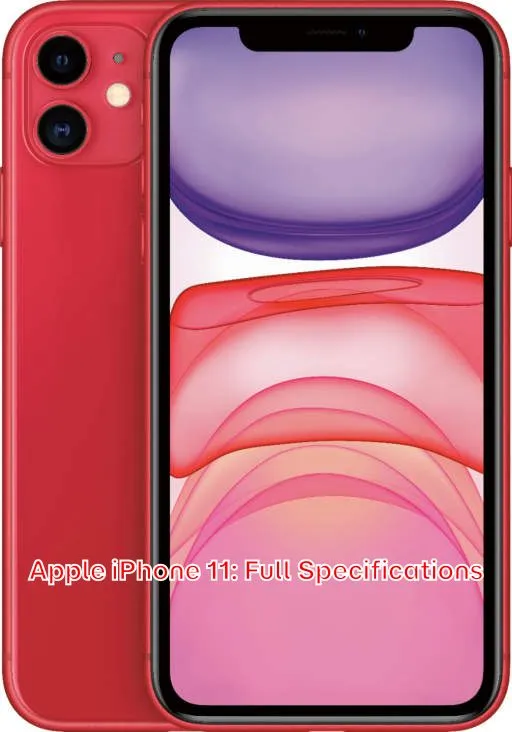
Before making a decision, it’s important to consider alternatives to the iPhone 11. If you’re willing to spend a bit more, you might consider a newer iPhone model, such as the iPhone SE (3rd generation) or the iPhone 12. These models offer faster processors, better cameras, and more advanced features.
Alternatively, you might consider an Android smartphone. There are many excellent Android phones available at similar price points to the iPhone 11. Some popular options include the Google Pixel A series phones or models from Samsung’s A series. Android phones offer a wide range of features and customization options.
Ultimately, the best smartphone for you depends on your individual needs and budget. Consider what features are most important to you and compare different options before making a decision. By weighing the pros and cons of each phone, you can choose the one that best suits your needs.
